Advertisement
Discovered around the middle of the 20th century, the Dead Sea Scrolls have fundamentally changed Biblical study and our knowledge of ancient Judaism. This essay explores the fascinating narrative of their discovery, the difficult issues of preservation and translation, and the innovative ideas they have offered into the evolution of the Bible and early Jewish religious traditions. Come along on an illuminating trip as we solve the riddles of these old books and investigate their ongoing relevance in the present.
1. The Miraculous Discovery: Unearthing Ancient Treasures
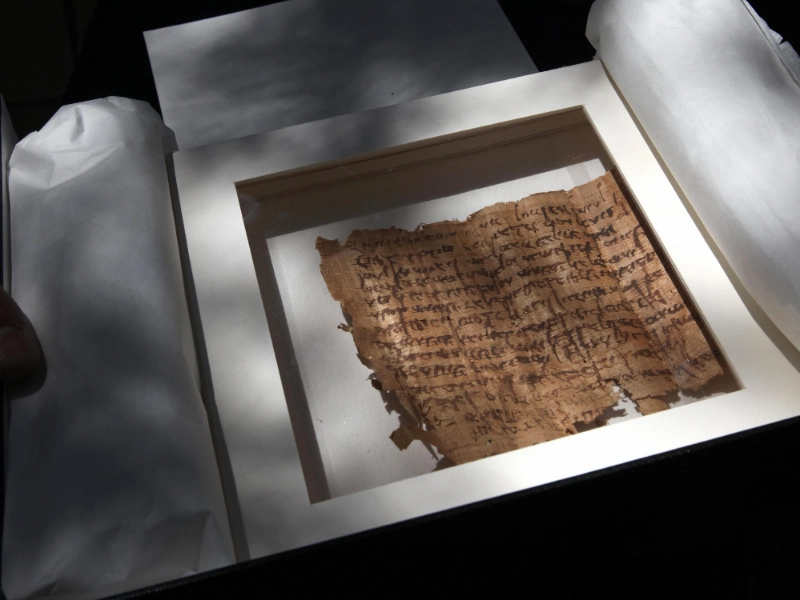
One apparently normal day in 1947 became an amazing historical event when a young Bedouin shepherd discovered something astonishing in the Qumran Caves close to the Dead Sea. He had no idea, though, that his discovery would transform Biblical research and offer an unparalleled window into past Jewish life. Searching for a lost goat, the shepherd threw a stone into a cave and heard the unanticipated sound of breaking crockery. Fascinated by this odd event, he entered and discovered many clay jars meticulously wrapped in linen carrying leather scrolls.
This accidental discovery marking the start of a sequence of digs that would finally turn up thousands of pieces from almost 900 manuscripts. The arid Judean Desert environment helped to remarkably preserve the scrolls, which ranged in age from the third century BCE to the first century CE. Scholars and archaeologists all around soon noticed the discovery, which set off a hunt for and analysis of these historic books.
One cannot stress the relevance of the Dead Sea Scrolls. Predating other known Hebrew texts by nearly 1,000 years, they reflect the oldest known surviving copies of Biblical and extra-biblical documents. Texts from the Hebrew Bible, hitherto unheard-of psalms, biblical commentaries, and records detailing the ideas and customs of a Jewish sect thought to be the Essenes abound in this treasure store of ancient manuscripts.
Discovery of the Dead Sea Scrolls was not without mystery and controversy. A complicated network of acquisition, smuggling, and intellectual competition developed as word of the discovery grew. Roles in the drama surrounding the retrieval and study of the scrolls included government officials, international academics, and Bedouin treasure hunters. Eventually, more methodical, scientific approaches to excavation and preservation replaced this period of great activity and occasionally dubious methods.
Biblical research and our knowledge of ancient Judaism have been profoundly changed by the Dead Sea Scrolls. These old writings have given priceless insights on the evolution of the Hebrew Bible, the variety of Jewish opinion throughout the Second Temple period, and the background of early Christianity. The scrolls have been utilised by academics to contrast several renditions of biblical passages, therefore illuminating the textual transmission mechanism and the historical development of religious concepts.