Advertisement
3. Deciphering Ancient Wisdom: The Challenges of Translation and Interpretation
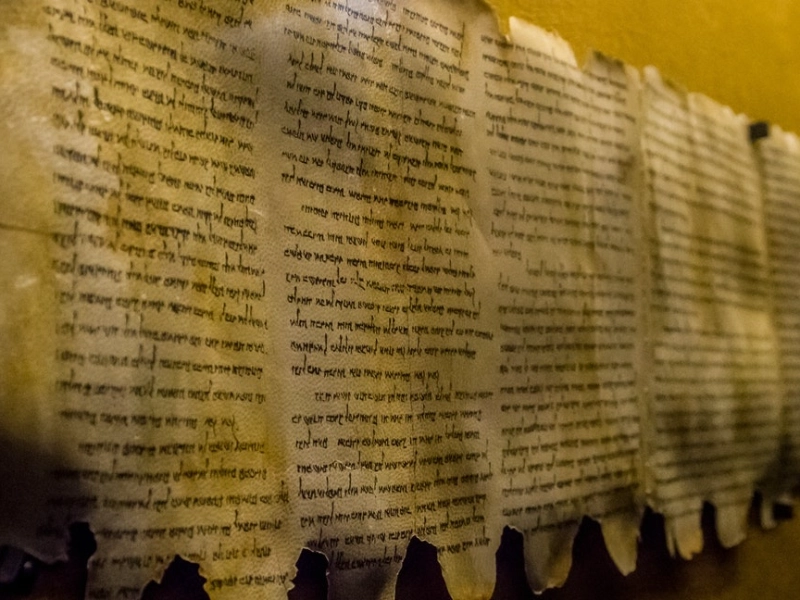
Translating and interpreting the Dead Sea Scrolls has been an enormous effort calling for the knowledge of linguists, historians, and biblical academics from all around the world. Deciphering these ancient manuscripts has presented difficulties ranging from the physical state of the scrolls to the complexity of ancient languages and cultural settings.
A main challenge translators encountered was the fragmentary character of many of the scrolls. Years of exposure to the elements have left many books unfinished or damaged even in the arid environment of the Qumran Caves. Often working with little pieces, scholars had to put them together like a sophisticated jigsaw puzzle. Along with language abilities, this approach demanded a thorough awareness of the historical and cultural background of the writings.
The language of the scrolls offered unique difficulties. Many were penned in Hebrew, but others in Greek or Aramaic. Often different from the standardised Biblical Hebrew, the Hebrew employed in the scrolls included unusual terminology and grammatical patterns. This forced translators to grow to have a sophisticated awareness of the development of the Hebrew language across time.
Deciphering the scroll contents presented another difficulty. Many books referenced obscure historical events, religious traditions, and cultural standards that were not commonly recognised. To properly contextualise and interpret the contents of the scrolls, academics have to combine a broad spectrum of disciplines—including archaeology, ancient history, and comparative religion.
The varied character of the writings themselves added still another level of difficulty to the translating and interpreting process. Along with biblical books, the Dead Sea Scrolls feature apocryphal writings, sectarian records, and hitherto unidentified compositions. Every kind of text needed a particular strategy and specific knowledge to translate and understand successfully.
The translation process has included arguments and controversies among academics right from beginning. Divergent readings of important texts have sparked vibrant scholarly debates and occasionally explosive arguments. These discussions have finally helped to provide a more complex and thorough awareness of the scrolls and their importance.
New technologies designed to help with translation and interpretation have emerged as technology has matured. While digital databases have made it simpler for academics to compare many scrolls and versions of texts, computer-assisted analysis has helped find trends in the writings. These technical developments have sped up research and created fresh paths of enquiry to help us interpret the scrolls.