Advertisement
6. Technological Advancements: Modern Methods in Ancient Studies
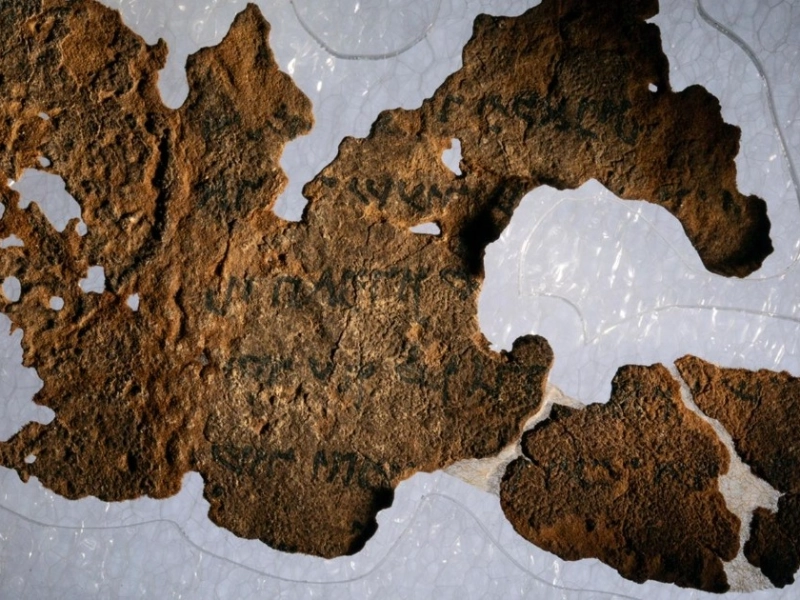
Thanks to technical developments, the study of the Dead Sea Scrolls has been transformed and scholars may now extract fresh ideas from these ancient books using innovative approaches. Modern technology has provided hitherto unthinkable paths of investigation and preservation from digital imaging methods to DNA analysis, from whence the scrolls were initially discovered.
Advanced imaging technologies have been among the most important technological innovations supporting Dead Sea Scrolls study. Particularly useful has been multispectral imaging, which reveals minutiae undetectable to the unaided eye by using varying light wavelengths. Thanks to this technology, researchers have been able to read once invisible books, exposing words and even whole passages hidden by fading or damage. The ink on the scrolls has also been enhanced by infrared photography, therefore facilitating the deciphering of challenging sections.
For scroll study, 3D digital scanning offers still another effective instrument. Highly accurate three-dimensional representations of scroll fragments allow researchers to examine the physical properties of the scrolls without running the danger of harm to the delicate originals. By means of numerous viewpoints and manipulations, these digital models provide a more thorough investigation of the texts and their physical qualities.
Dead Sea Scrolls study now also incorporates artificial intelligence and machine learning. Textual patterns are being examined using these technologies, which also help to locate various scribal hands and even recreate missing bits of fractured scrolls. AI is enabling academics to make connections and discoveries that could have taken years of human research by rapidly processing enormous volumes of data and spotting faint trends.
Another path for comprehending the scrolls and their sources has come from DNA study. Extensive extraction and analysis of genetic material from animal skins on which many of the scrolls were written has helped scientists understand the manufacturing techniques applied to produce the scrolls and even their geographic origins. This material has illuminated the trade routes and scribal customs of the ancient world.
Immersion experiences created with virtual reality technology let researchers and the general public tour the Qumran Caves and interact with digital replicas of the scrolls. These virtual worlds offer a special approach to place the scrolls in their natural context and to see how the ancient society would have kept and used them.