Advertisement
7. The Dead Sea Scrolls in the Digital Age: Access and Education
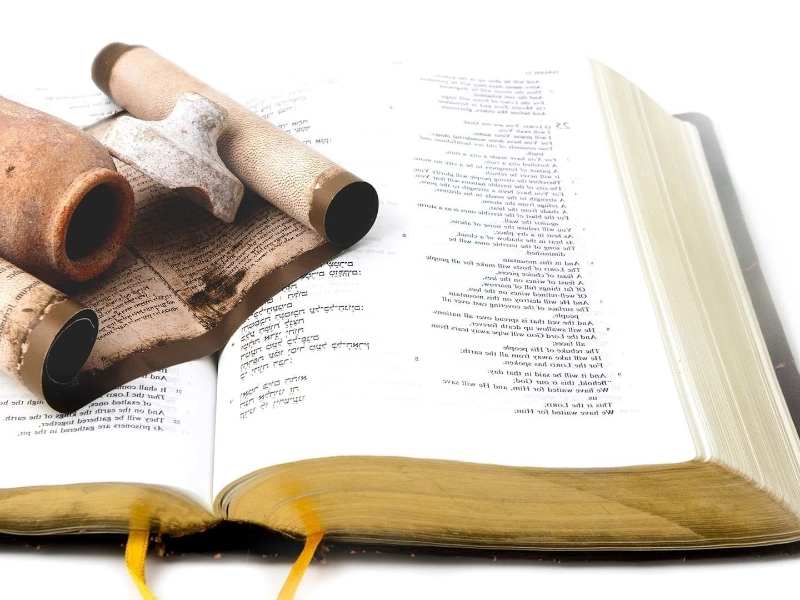
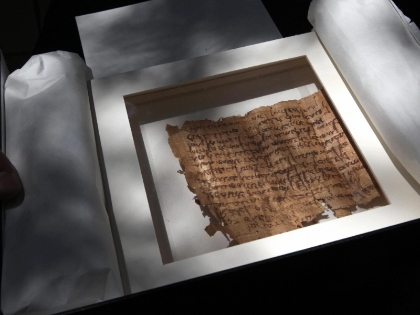
The digital era has changed not just the Dead Sea Scroll research but also their availability to academics and the general public both. The digitisation of the scrolls has democratised access to these ancient writings, enabling academics from all around the world to examine high-resolution photographs without having to visit Israel or handle the delicate originals.
Leading edge of this digital revolution is the Leon Levy Dead Sea Scrolls Digital Library initiative of the Israel Antiquities Authority. Together with transcriptions, translations, and information, this ambitious project has produced a thorough online library of high-resolution photographs of the scrolls. For academics, this resource has become a priceless instrument since it allows worldwide cooperative research and quickening of discovery pace.
The digitisation of the Dead Sea Scrolls has created fresh educational and participatory chances for the general audience. Online museums and virtual exhibitions let individuals from all around the world investigate these ancient books and learn about their historical and cultural importance. To let students and lifelong learners explore the complicated world of the Dead Sea Scrolls, interactive websites and instructional apps have been created.
Furthermore helping to spread knowledge about the Dead Sea Scrolls to a larger audience are social media channels. These sites are used by universities and researchers to post fresh discoveries, notify forthcoming shows, and participate in public outreach. This has served to keep public interest in the scrolls alive and to convey to current viewers the continuous relevance of this old find.
Furthermore enabled by the internet era are fresh kinds of academic cooperation. Online forums and digital workspaces let scholars from many universities and nations collaborate on scroll-related topics, instantly sharing ideas and results. New interpretations and ideas resulting from this cooperative approach could not have been feasible in a more isolated study environment.
Still, the digitisation of the Dead Sea Scrolls presents further ethical questions and difficulties. Important concerns in the field now are questions of copyright, ownership, and proper usage of digital photographs. Furthermore under continuous discussion is the balance between open access and the necessity to guard these delicate objects from overuse or damage.
New approaches for examining, conserving, and distributing the Dead Sea Scrolls are probably going to surface as technology develops. From sophisticated artificial intelligence-powered translating tools to even more immersive virtual reality experiences, the future of Dead Sea Scrolls study and teaching promises to be as exciting and transformative as the first discovery of these ancient documents over 70 years ago.