Advertisement
3. Climate Change and Human Evolution
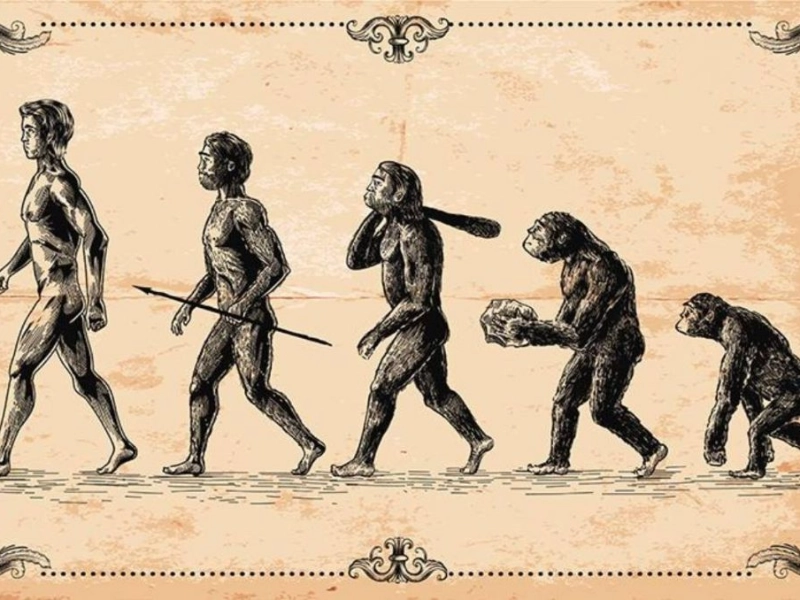
Eastern Africa's climate has been greatly shaped by the East African Rift, which in turn has had a significant influence on human evolution. Much of East Africa experiences drier conditions since the rift's creation produces a rain shadow effect. Early hominins are thought to have evolved in response to this temperature change, which drove adaptations to more open, savanna-like habitats.
Studies of the area reveal that during the past few million years, there have been notable climate swings with alternating wet and dry periods. Important turning points in human development, including the evolution of bipedalism, the increase in brain size, and the creation of stone tools, corresponded with these shifts. According to the "variability selection hypothesis," the success of our predecessors was much influenced by our capacity to adjust to fast changing surroundings.
The geography of the rift generates different microclimates that support a great variety of organisms, therefore influencing regional climate even now. Our predecessors might have had the chance to use various resources and habitats thanks to this environmental diversity, which would have helped them survive and finally expand over the planet. Still a vital area of active study is understanding the interaction between human development in East Africa and climate change in the Rift.